
Let's Talk Memoir
Episode 225 ft. Bee Wilson
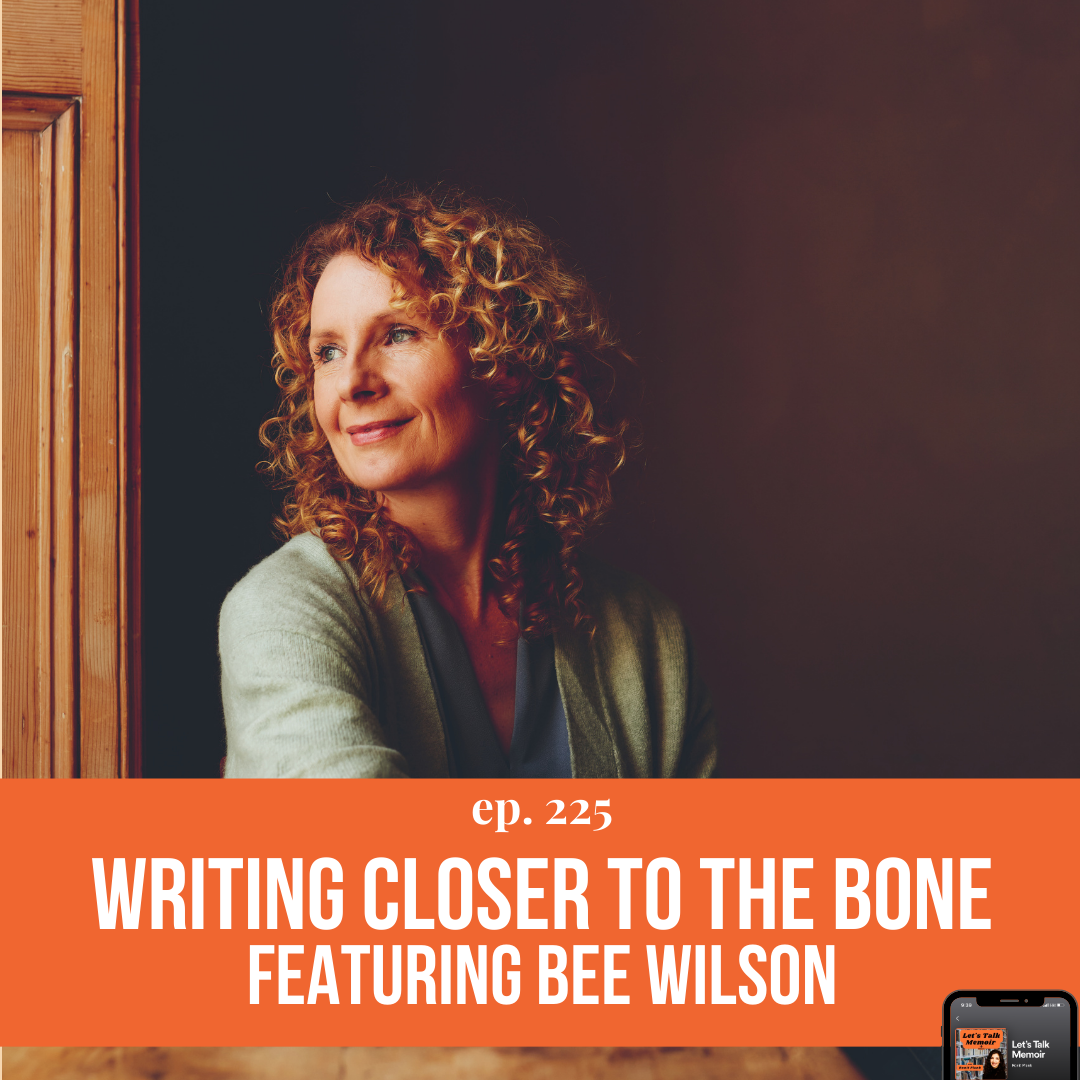
Bee Wilson joins Let’s Talk Memoir for a conversation about the evolution of our narratives, how each book teaches you how to write it, approaching memoir from many different angles, how there’s no predetermined idea of what a memoir needs to be, writing about divorce and her husband leaving at the end of the first lockdown in the UK, the emotional life of kitchen objects, not being afraid to tell our truth, cooking as salve, obligations to our reader and our lives, growing comfortable with the idea of writing about ourselves, how the particular becomes universal, piecing strands together, creating necessary boundaries, writing closer to the bone, and her new memoir about moving on The Heart-Shaped Tin: Love Loss and Kitchen Objects.
YOU MAY ALSO LIKE
Episode 264 ft. Jo-Anne Berelowitz
Jo-Anne Berelowitz joins Let’s Talk Memoir for a conversation about cultural displacement and longing for home, exploring the experience of Jews in South Africa, struggling with heritage, having origins in a country drawn along racist lines, feeling you need to be...
Episode 263 ft. Matt Fogelson
Matt Fogelson joins Let’s Talk Memoir for a conversation about coming to grips with the death of his father, the struggle to not pass down the emotional distance he grew up with to his own son, grabbing emotions from scenes and seeing what germinates, finding the...
Episode 262 ft. Kate Jackson
Kate Jackson joins Let’s Talk Memoir for a conversation about discovering the family you were raised in was not what you thought, mourning the life we didn’t get a chance to live, writing about the missing, if wholeness is possible, longing for family, how unknowing...
This conversation with Bee Wilson was fascinating, Ronit. Kitchen utensils and the tales they hold. It made me think of my mother’s little nut grinder for cookies and a wooden hamburger press my father would use for special backyard picnics, both of which I have. With this interview you’ve opened a door for me on a way to write into the good times. Thank you .
Thank you for this message, Charlotte. I’m so happy you enjoyed this episode. I loved talking with Bee and I am excited to hear what this conversation helps you discover in your own work.