
Let's Talk Memoir
Episode 7 ft. Melissa Gould
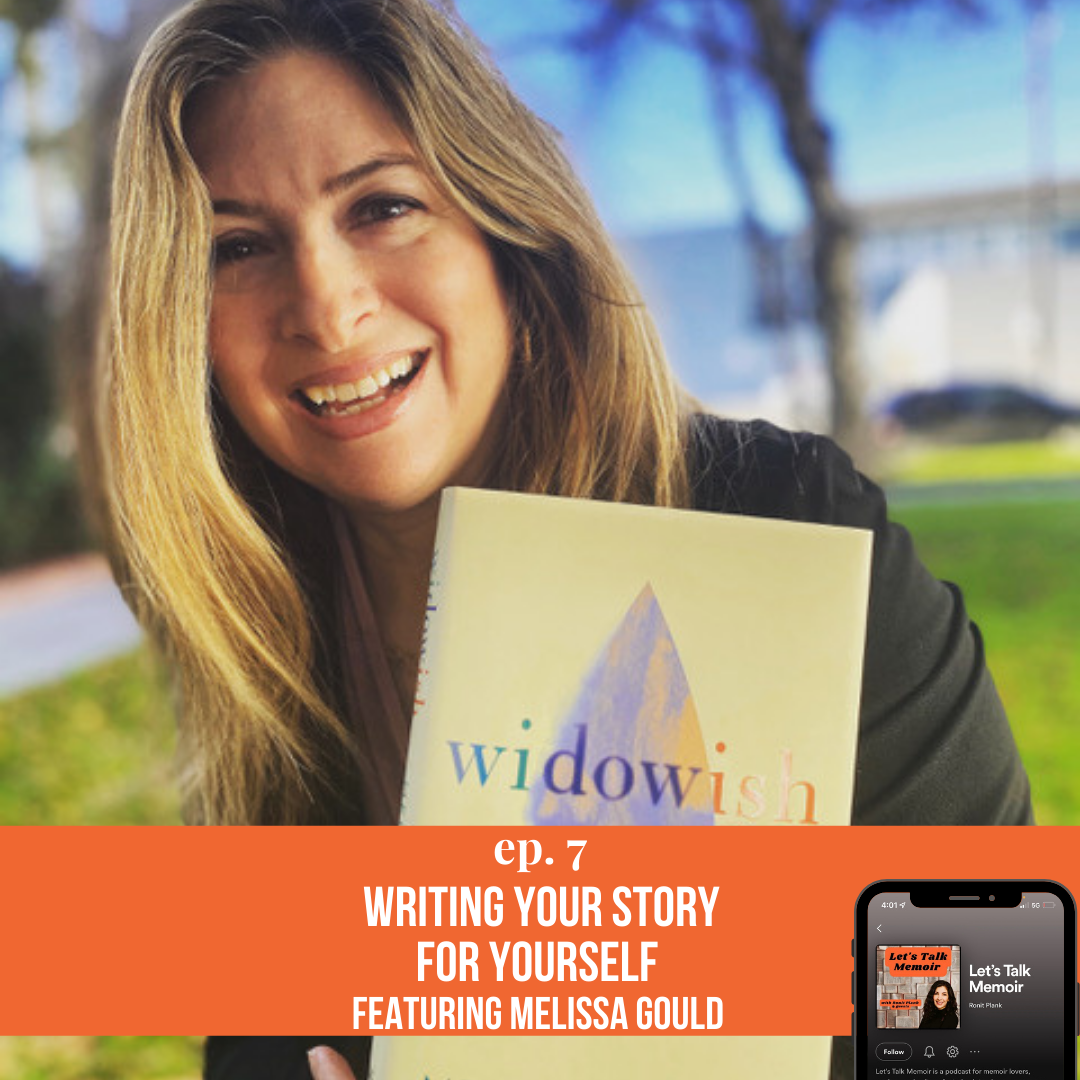
Melissa Gould joins Let’s Talk Memoir for a conversation about how writing was a way back to herself after she became a widow unexpectedly and at a young age, making the jump from screenwriting to nonfiction, when she knew she had a memoir, and how she protected her daughter in her writing.
Also in this episode:
- Melissa’s experience leading workshops
- How writing helps transform grief
- What it’s like to have your book optioned for TV
YOU MAY ALSO LIKE
Episode 259 ft. Deborah Derrickson Kossmann
Deborah Derrickson Kossmann joins Let’s Talk Memoir for a conversation about how complicated family dynamics culminated in her mother’s severe hoarding disorder, grieving what you didn’t get as a child, going back to rescue the past, sharing family secrets,...
Episode 258 ft. Deborah Sosin
Deborah Sosin joins Let’s Talk Memoir for a conversation about writing 70 micro memoirs of 70 words each to mark her 70th birthday, her love of compression and concision, working in themes, sitting with the memory of a scene and understanding its emotional truth,...
Episode 257 ft. Kim Murphy
Kim Murphy joins Let’s Talk Memoir for a conversation about unburdening herself from decades of shame, her often absent and unpredictable mother, what we owe or don’t owe our parents at the end of their lives, gaining a level of remove from the character versions of...