
Let's Talk Memoir
Episode 225 ft. Bee Wilson
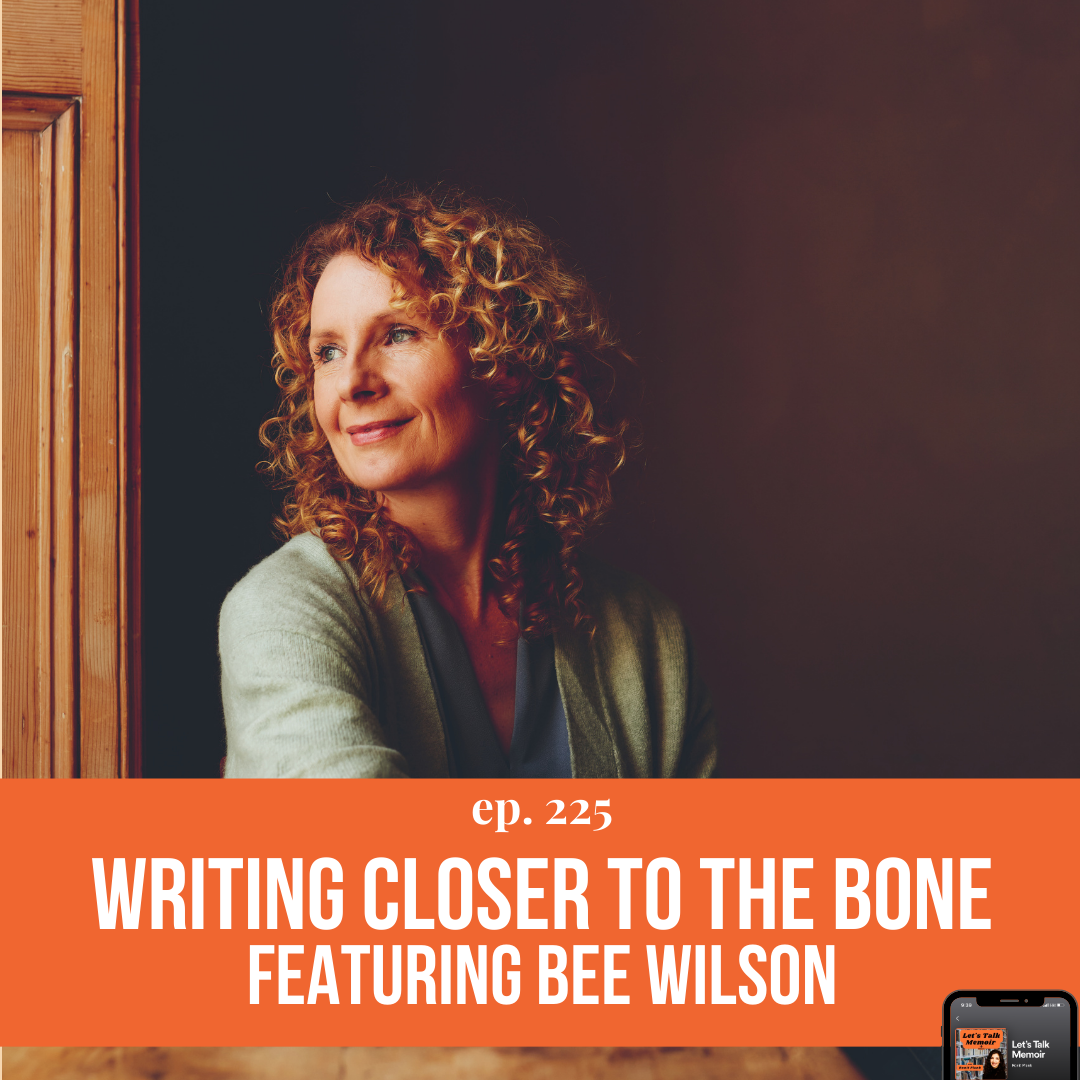
Bee Wilson joins Let’s Talk Memoir for a conversation about the evolution of our narratives, how each book teaches you how to write it, approaching memoir from many different angles, how there’s no predetermined idea of what a memoir needs to be, writing about divorce and her husband leaving at the end of the first lockdown in the UK, the emotional life of kitchen objects, not being afraid to tell our truth, cooking as salve, obligations to our reader and our lives, growing comfortable with the idea of writing about ourselves, how the particular becomes universal, piecing strands together, creating necessary boundaries, writing closer to the bone, and her new memoir about moving on The Heart-Shaped Tin: Love Loss and Kitchen Objects.
YOU MAY ALSO LIKE
Episode 231 ft. Wendy C. Ortiz
Wendy C. Ortiz joins Let’s Talk Memoir for a conversation about the English teacher who preyed on her when she was thirteen, writing about the person we are now when writing about our past, placing the reader in the physical and psychological experience of...
Episode 230 ft. Mallary Tenore Tarpley
Mallary Tenore Tarpley joins Let’s Talk Memoir for a conversation about the middle place between acute sickness and full recovery, living with the imprints of a disorder, resisting thinking in black and white, the memoir plus genre, making memoir reportage and...
Episode 229 ft. Karen Palmer
Karen Palmer joins Let’s Talk Memoir for a conversation about changing her identity to escape a dangerous ex-husband, being stalked, the consequences of deciding to disappear, coming to grips with the experience of domestic abuse, mistaking grief for maturity, telling...
This conversation with Bee Wilson was fascinating, Ronit. Kitchen utensils and the tales they hold. It made me think of my mother’s little nut grinder for cookies and a wooden hamburger press my father would use for special backyard picnics, both of which I have. With this interview you’ve opened a door for me on a way to write into the good times. Thank you .
Thank you for this message, Charlotte. I’m so happy you enjoyed this episode. I loved talking with Bee and I am excited to hear what this conversation helps you discover in your own work.